Writing Down Your Thoughts Can Really Help Your Anxiety
Writing down your thoughts and feelings works because it takes those messy, jumbled ideas out of your mind and puts them somewhere you can actually see them. When thoughts stay in your head, they feel huge and out of control. They bounce around and grow bigger every time you think about them. But once you write them down, they become something concrete. You can look at them, hold the paper, and realize that they’re just words. A worry you wrote down is a worry you can see. And something you can see is a lot less scary than something that’s hiding in the dark corners of your brain.
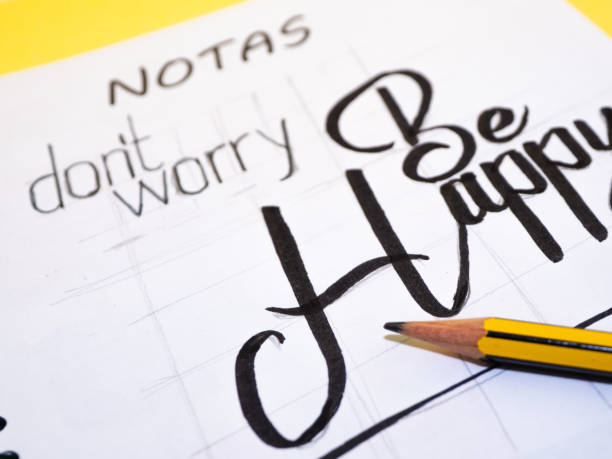
Here’s the thing: you don’t need to be a good writer to do this. You don’t need a fancy journal or a special pen. Any scrap of paper works. The only rule is to let yourself be honest. Write exactly what you’re feeling, even if it sounds silly or mean or dramatic. Nobody else has to read it. This is just for you. You might write something like, “I’m scared I messed up at work today,“ or “I feel like my friend is mad at me,“ or “I keep thinking about that thing I said in class.“ It doesn’t matter if it’s a big thing or a small thing. If it’s on your mind, it’s worth putting on paper.
When you start writing, just let it all out. Don’t stop to fix spelling or worry about making sense. Let your hand move and see what comes out. Sometimes you’ll be surprised by what you write. You might think you’re worried about one thing, but then you end up writing about something completely different. That’s okay. That’s actually the point. Your brain knows what it needs to work through, and writing gives it a clear path to get there.
After you finish writing, take a moment to breathe. Notice how your body feels. A lot of people say they feel lighter, like a weight has been lifted off their shoulders. That’s because you gave your thoughts a place to go. You didn’t try to ignore them or fight them. You just let them out. And that simple act can calm your nervous system down in a big way.
Another good thing about writing is that it helps you spot patterns. If you write down your thoughts for a few days, you might start to notice that the same worries keep showing up. Maybe you always write about feeling judged at school. Or maybe you notice that your anxiety gets worse on Sunday nights before the school week starts. Once you see those patterns, you can do something about them. You can prepare yourself or talk to someone. You can’t fix a problem you can’t see, but writing makes those problems visible.
You might also try writing about good things. It doesn’t always have to be about your worries. You can write down something that made you smile today, or something you’re looking forward to. That can help balance out all the negative stuff swimming around in your head. But if writing about happy things feels weird, don’t force it. The goal isn’t to be positive all the time. The goal is to get your thoughts out of your head so they have less power over you.
One more tip: you don’t have to keep what you write. Some people like to rip up the paper or throw it away when they’re done. That can be a powerful way to tell your brain, “I’m done with this for now.“ Others like to keep their writings in a notebook so they can look back and see how they’ve grown. Either way is fine. Do what feels right for you.
Writing down your thoughts and feelings is a small habit with a big payoff. It’s free, it’s private, and you can do it anywhere. The next time your brain starts going crazy with worry, try grabbing a piece of paper and writing it all out. Give yourself permission to write ugly, messy, honest words. You might just find that the paper can hold your thoughts a lot better than your head can. And that’s a pretty awesome discovery.
Related Articles
Learn more about Changing Your Thinking Habits.
Putting Your Worries on Paper

The Power of Balanced Thought: An Antidote to Anxiety