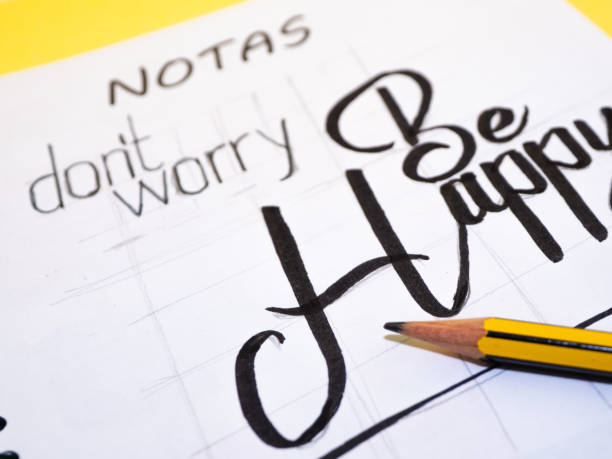
Writing Down Your Thoughts When You Feel Anxious
Think of your brain like a messy desk. When you have papers, notes, and junk piled up all over the place, you can’t find anything, and you feel overwhelmed. Writing down your thoughts is like taking all that mess and dumping it into a single notebook. Suddenly, the desk is clear. Your brain can breathe. You can actually see what’s bothering you instead of just feeling it.
So how do you start? You don’t need a fancy journal or a special pen. Any piece of paper or a notes app on your phone will do. The goal is not to write perfect sentences or to sound like a poet. The goal is just to get the thoughts out of your head and onto the page. You can write whatever comes to mind. Maybe it’s “I’m scared about my job interview tomorrow.” Or maybe it’s “I feel like my stomach is full of bees.” That’s fine. There are no rules.
One way to do this is to set a timer for five minutes. Yes, only five minutes. That’s short enough that you won’t feel like it’s a chore, but long enough to get a few sentences down. During those five minutes, write nonstop. Don’t worry about spelling, punctuation, or making sense. If you get stuck, just write “I don’t know what to write” over and over until something else pops up. The idea is to keep your hand moving and let your brain empty out.
Another approach is to write about a specific worry. For example, say you’re anxious because you have to give a presentation in front of your class. Instead of letting that worry swirl around in your head all day, grab your notebook and write down exactly what you’re afraid of. Write things like “I’m afraid I’ll forget my lines” or “I’m scared people will laugh at me.” Then, after you write it down, take a look at what you wrote. Often, the fear looks smaller on paper than it felt in your head. It’s like shining a flashlight into a dark corner. You realize the monster you were afraid of is just a pile of old laundry.
Writing down your feelings can also help you notice patterns. Maybe you realize that you feel anxious every Sunday night before school. Or maybe you notice that your worry gets really bad right after you scroll through social media. When you see these patterns, you can start to do something about them. You can plan to do something relaxing on Sunday evenings, or you can decide to put your phone away an hour before bed.
Don’t worry if your writing is messy or if you don’t know what to say. Sometimes just writing “I’m really anxious right now” and then drawing a sad face is enough. The act of putting the feeling into words—even clumsy words—takes some of the power away from the anxiety. It’s like telling a secret to a trusted friend. Once the secret is out, it doesn’t feel as heavy.
Some people like to write at the end of the day. They call it a brain dump. They write down everything that happened, everything they worried about, and everything they’re grateful for. This can help you sleep better because you’re not lying in bed replaying the day’s worries over and over. Others prefer to write first thing in the morning to clear their head before the day starts. Try both and see what works for you.
One important thing: don’t judge what you write. If you write something mean or embarrassing, that’s okay. The notebook is a safe space. Nobody else has to see it. You can even tear the page out and throw it away after you’re done if that feels good. The point is to get the thoughts out, not to keep them forever.
Writing down your thoughts and feelings is a tool, not a magic fix. It won’t make your anxiety disappear completely. But it will make it more manageable. It will help you see that your worries are just thoughts, not facts. And it will give your brain a break from spinning all day long. So grab a piece of paper and give it a try. You might be surprised at how much lighter you feel.
Related Articles
Learn more about Changing Your Thinking Habits.

How to See the Gray When Your Mind Says All or Nothing

All-or-Nothing Thinking: How to Stop Seeing Everything in Black and White