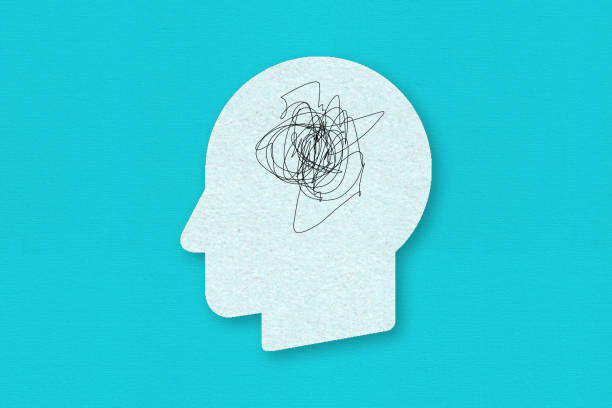
Writing Your Worries Down Takes Their Power Away
When you write, you take a wild, spinning mess inside your head and turn it into something outside of you. It becomes just words on a page. And words are easier to look at than feelings. For example, say you’re worried about a test. Write this: “I’m scared I’ll fail. I feel sick to my stomach.“ That’s all. Just getting that out helps. Now read it back. You might see that you’re scared because you didn’t study enough. Or because you’re tired. Then you can make a plan. You can study for twenty minutes. Or you can take a nap. Writing turns a big scary cloud into something clear and manageable.
Another good thing about writing is that it lets you let off steam. When you feel angry or sad, holding it in takes energy. It’s heavy. But if you put it on paper, your head doesn’t have to hold it anymore. Some people call this a brain dump. You just dump everything out, like emptying a backpack full of rocks. You don’t have to write nice sentences. You don’t have to spell correctly. It’s only for you. You can scribble. You can write in all caps. You can draw a sad face. Whatever gets the feeling out.
Writing also helps you notice patterns. If you write a little bit every day for a week, you might spot the same worry popping up again and again. Maybe it’s about money. Maybe it’s about a friend. Seeing that pattern tells you something important. It shows you what your brain is stuck on. Then you can take action. You can talk to someone. You can change a habit. If you never wrote things down, you might keep feeling anxious without knowing why. Writing is like a mirror for your mind.
It’s not magic. Writing won’t solve every problem. But many people find that after they write, they feel lighter. The worry doesn’t disappear, but it gets smaller. It becomes something you can look at, instead of something that’s always poking you from inside. This is a skill you can build. The more you do it, the easier it gets.
Here’s a simple way to start. Find a notebook or a blank page on your phone. Set a timer for ten minutes. Write whatever comes to mind. Don’t stop to fix mistakes. Don’t worry if it sounds silly. Just let the words flow. If you don’t know what to write, start with “Right now, I feel...“ and keep going. After the timer ends, you can stop. You can also keep writing if you want. Some days you’ll write a whole page. Other days you’ll write two lines. That’s okay. Every bit helps.
Another trick is to write a letter you never send. If someone made you angry, write them a letter that says exactly how you feel. Let it all out. Don’t hold back. Tell them they hurt you. Tell them you’re upset. Then put the letter in a drawer. Or shred it. This can give you a huge sense of relief. You got the feelings out without having to face the person. You also get to see your own thoughts clearly. Sometimes you realize you overreacted. Sometimes you realize you were right to be upset. Either way, you’re not stuck.
You can also write good things down. When you have a nice moment, write one thing that went well. Maybe you ate a good sandwich. Maybe a dog wagged its tail at you. It can be tiny. The next time you feel down, read that list. It reminds you that not everything is bad. Your brain naturally focuses on problems, so writing down good moments is a way to balance that out.
The secret is to make writing a habit. You don’t have to do it every day, but try it a few times a week. Think of it like brushing your teeth for your mind. You take the thoughts out of your head and let them rest on the page. Then you can see them clearly. You can ask yourself, “Is this worry real?“ “Can I do something about it?“ “Is it as bad as I think?“ Writing helps you answer those questions.
Remember, there is no wrong way to do this. Some people like to write in the morning. Some write right before bed. Some write when they feel the panic rising. You can use a pen, a pencil, or a keyboard. You can write in full sentences or just single words. The goal is not to be a good writer. The goal is to feel less anxious. To understand yourself a little better. To stop letting thoughts bounce around in your head without an exit.
So next time your mind feels full, grab a pen. Write down the mess. Then read it. You might laugh. You might cry. But you’ll probably take a deep breath. That breath is worth it. Writing won’t fix the whole world, but it can fix how heavy your head feels. Try it once. See what happens. The paper can handle your thoughts. You don’t have to carry them alone anymore.
Related Articles
Learn more about Changing Your Thinking Habits.