
Skip to Content

Food, Mood and Helpful Supplements

Magnesium for Anxiety: A Simple Mineral That May Help You Feel Calmer

Magnesium for Anxiety: A Simple Mineral That May Help You Feel Calmer

If you feel anxious a lot, you might have tried deep breathing, going for walks, or cutting back on coffee.

Feed Your Gut, Steady Your Mood: The Fiber Connection

Feed Your Gut, Steady Your Mood: The Fiber Connection

Your gut and your brain talk all day.
Low Vitamin B12 Can Make Anxiety Feel Worse: What to Check

Low Vitamin B12 Can Make Anxiety Feel Worse: What to Check

Anxiety can make your heart race, your thoughts spin, and your body feel like it is ready to jump out of your skin.

A Calmer Morning Starts With Breakfast: Foods That Help Ease Anxiety

A Calmer Morning Starts With Breakfast: Foods That Help Ease Anxiety

You wake up and your stomach feels tight.

How to Spot a Sketchy Supplement Before You Buy It

How to Spot a Sketchy Supplement Before You Buy It

A supplement bottle can look calm and helpful.
Why a Balanced Breakfast Can Help You Feel Calmer

Why a Balanced Breakfast Can Help You Feel Calmer

When your stomach is empty and your morning is rushing, it is easy to grab coffee and run.

L-Theanine and Lavender: Calm Helpers for a Busy Mind

L-Theanine and Lavender: Calm Helpers for a Busy Mind

Your brain can feel like a browser with too many tabs open.
L-Theanine: A Plain-Language Guide to the Tea Supplement That May Help You Feel Calmer

L-Theanine: A Plain-Language Guide to the Tea Supplement That May Help You Feel Calmer

If your mind races before a test, a meeting, or a hard talk, you might look for something simple to take the edge off.

Low Vitamin D and Anxiety: How a Missing Nutrient Can Affect Your Mood

Low Vitamin D and Anxiety: How a Missing Nutrient Can Affect Your Mood

You might think of vitamin D as the bone vitamin.

The Drinks That Can Make Anxiety Worse—and What to Sip Instead

The Drinks That Can Make Anxiety Worse—and What to Sip Instead

You know that shaky, wired feeling that shows up when your nerves are already stretched? Sometimes the fix isn’t more willpower.

Omega-3s for a Calmer Brain: Everyday Foods That May Help Mood and Focus

Omega-3s for a Calmer Brain: Everyday Foods That May Help Mood and Focus

Omega-3s are fats your body needs but does not make very well on its own.
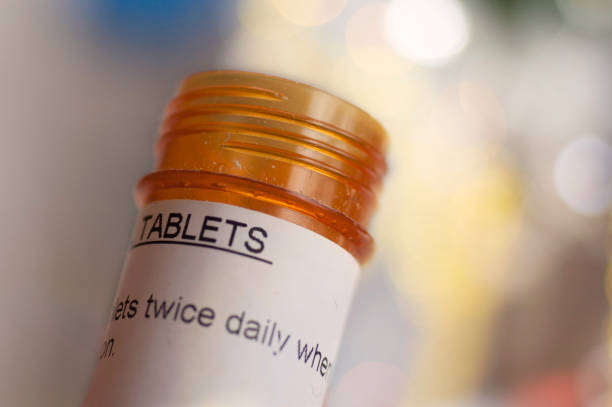
Amino Acid Supplements for Anxiety: Food First, Hype Second

Amino Acid Supplements for Anxiety: Food First, Hype Second

When you feel wound up, it is easy to look for a pill that fixes it fast.

Quick Tips

Can a simple vitamin really help with my anxiety?

Yes, a B-Complex vitamin can be very helpful. B vitamins are like the spark plugs for your body’s energy and mood systems. When you’re stressed, your body uses up these vitamins faster. Not having enough can make you feel tired and more worried. Taking a B-Complex helps fill up your tank, supporting your body’s natural ability to handle life’s pressures and giving you a more steady level of energy throughout the day.

How does drinking enough water affect my anxiety?

Staying hydrated is a simple but powerful tool. Even mild dehydration can affect your mood, making you feel tired, headachy, and more on edge. When your body is low on water, your heart has to work harder, which can feel a lot like anxiety. By drinking water throughout the day, you help your body’s systems run smoothly, including the ones that manage stress. It’s an easy way to take care of yourself and prevent a physical problem from making your anxiety worse.

Are there any side effects from taking fish oil?

For most people, fish oil is very safe. The most common side effects are minor and related to your stomach. You might experience a fishy aftertaste or some mild burping. To avoid this, try taking your supplement with a meal. Starting with a smaller dose and slowly increasing it can also help your body adjust comfortably. If you have any health conditions or take other medications, it’s always a good idea to have a quick chat with your doctor before starting any new supplement.

How can I start catching these thoughts in my daily life?

The easiest way to start is to pause for a moment when you feel a sudden wave of worry or sadness. Gently ask yourself, “What was just going through my mind?“ Write the thought down if you can. Seeing it on paper helps you look at it more objectively. You can then ask, “Is this 100% true?“ or “Is there another way to see this?“ This simple practice of noticing and questioning your thoughts is like building a mental muscle that helps you feel more in control.

What is belly breathing, and why does it work?

Belly breathing is simply taking slow, deep breaths that make your belly move in and out. It works because it tells your body’s alarm system to calm down. When you’re anxious, your breathing gets fast and shallow, which tells your brain you’re in danger. By switching to slow, deep belly breaths, you send a new message to your brain that says, “We are safe, and everything is okay.“ It’s a direct way to switch your body from a state of panic to a state of peace.