Learning to Challenge Your Worries
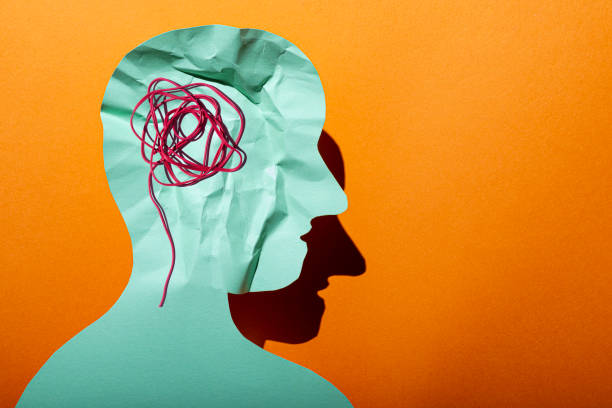
The first step is to notice when the scary station is playing. This sounds simple, but it takes practice. Most of the time, we just believe everything our brain tells us. If a thought pops in, we think it must be true. But thoughts are not facts. They are just electrical signals your brain sends out. Some of them are helpful. Some of them are complete lies that your anxiety cooked up to keep you safe from something that isn’t even dangerous. So start paying attention. When you feel your heart race or your stomach drop, stop and ask yourself, “What thought just ran through my head?” Write it down if you have to. For example, maybe the thought is, “If I speak up in class, everyone will laugh at me.” That is a worried thought. Once you catch it, you can do something with it.
The next step is to act like a detective instead of a passenger. A passenger just rides along and believes everything. A detective looks for evidence. So take that worried thought and ask yourself some simple questions. Is this thought a hundred percent true? What proof do I actually have that people will laugh? Has anyone ever laughed at me before when I spoke? What are some other possibilities? Maybe someone will agree with what I said. Maybe nobody will even notice. Maybe the teacher will be glad someone answered. The trick is to find the more realistic version of the story. Your anxiety always picks the worst possible ending. A detective looks at all the possible endings and picks the one that fits the facts best. For most of us, the facts show that the worst thing rarely happens.
Now you have a new thought to replace the old one. It does not have to be a super positive lie like “Everything will be perfect.” That is just as fake as the anxious thought. Instead, aim for something balanced and true. You might say, “It is possible people might laugh, but it is not likely. And even if one person does, I can handle it. I have handled awkward moments before.” That kind of thought is honest and it gives you strength. Write down that new thought. Say it to yourself a few times. Your brain needs to hear it more than once to start believing it.
After you change the thought, you have to change the action. Anxiety loves to make you avoid things. When you avoid something scary, your brain learns that the thing is truly dangerous. So the anxiety gets stronger. The cure is to do the thing anyway, even if you are scared. That is called facing your fears. Start small. If speaking up in class feels too big, start by raising your hand to ask a simple question. Or by making eye contact with one person. Each time you do something that scared you, your brain learns a new lesson. It learns that the thing is not as dangerous as it thought. Over time, the worry loses its power.
This whole process is like training a muscle. You do not go to the gym once and get ripped. You have to practice over and over. The same goes for changing your thoughts and behaviors. The first few times you try to challenge a worried thought, it might not work great. The scary station might still be loud. That is okay. Keep practicing. Each time you catch a thought, question it, and then act in a brave way, you are building a new habit. Eventually, that new station becomes your default. You will still hear the scary songs sometimes, but you will know how to switch to a better one.
If this feels too hard to do alone, that is where getting extra help comes in. A therapist is like a coach for your brain. They can help you practice these steps. They can give you new tools when you get stuck. There is nothing wrong with needing a coach. Even professional athletes have coaches. You do not have to figure it all out by yourself. The goal is to get better at managing your own mind, not to be perfect at it. So start today. Catch one worried thought. Question it. Replace it with something real. Then do one small brave thing. That is how you change the channel for good.
Related Articles
Learn more about Getting Extra Help.
Finding Your People in an Anxiety Group

Your Gut and Your Nerves: How Food Affects Your Anxiety