Skip to Content

L-Theanine, Lavender and Calming Supplements

L-Theanine and Lavender: Calm Helpers for a Busy Mind

L-Theanine and Lavender: Calm Helpers for a Busy Mind

Your brain can feel like a browser with too many tabs open.

Magnesium for Anxiety: A Simple Mineral That May Help You Feel Calmer

Magnesium for Anxiety: A Simple Mineral That May Help You Feel Calmer

If you feel anxious a lot, you might have tried deep breathing, going for walks, or cutting back on coffee.

Feed Your Gut, Steady Your Mood: The Fiber Connection

Feed Your Gut, Steady Your Mood: The Fiber Connection

Your gut and your brain talk all day.
Low Vitamin B12 Can Make Anxiety Feel Worse: What to Check

Low Vitamin B12 Can Make Anxiety Feel Worse: What to Check

Anxiety can make your heart race, your thoughts spin, and your body feel like it is ready to jump out of your skin.

A Calmer Morning Starts With Breakfast: Foods That Help Ease Anxiety

A Calmer Morning Starts With Breakfast: Foods That Help Ease Anxiety

You wake up and your stomach feels tight.

How to Spot a Sketchy Supplement Before You Buy It

How to Spot a Sketchy Supplement Before You Buy It

A supplement bottle can look calm and helpful.
Why a Balanced Breakfast Can Help You Feel Calmer

Why a Balanced Breakfast Can Help You Feel Calmer

When your stomach is empty and your morning is rushing, it is easy to grab coffee and run.
L-Theanine: A Plain-Language Guide to the Tea Supplement That May Help You Feel Calmer

L-Theanine: A Plain-Language Guide to the Tea Supplement That May Help You Feel Calmer

If your mind races before a test, a meeting, or a hard talk, you might look for something simple to take the edge off.

Low Vitamin D and Anxiety: How a Missing Nutrient Can Affect Your Mood

Low Vitamin D and Anxiety: How a Missing Nutrient Can Affect Your Mood

You might think of vitamin D as the bone vitamin.

The Drinks That Can Make Anxiety Worse—and What to Sip Instead

The Drinks That Can Make Anxiety Worse—and What to Sip Instead

You know that shaky, wired feeling that shows up when your nerves are already stretched? Sometimes the fix isn’t more willpower.

Omega-3s for a Calmer Brain: Everyday Foods That May Help Mood and Focus

Omega-3s for a Calmer Brain: Everyday Foods That May Help Mood and Focus

Omega-3s are fats your body needs but does not make very well on its own.
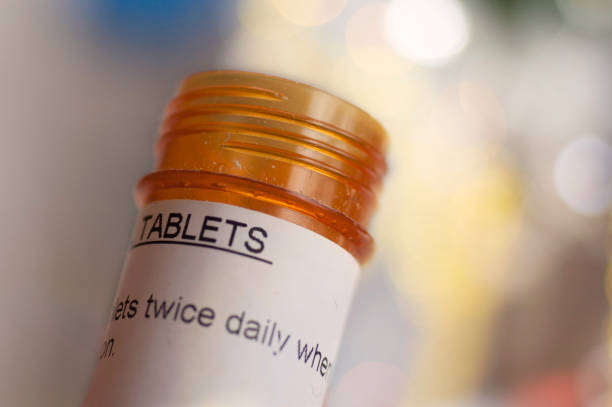
Amino Acid Supplements for Anxiety: Food First, Hype Second

Amino Acid Supplements for Anxiety: Food First, Hype Second

When you feel wound up, it is easy to look for a pill that fixes it fast.

Quick Tips

What if I can’t get the hang of it at first?

That’s completely normal! It might feel strange at first because we’re used to taking shallow breaths. If you’re struggling, try lying on your back with a small book or stuffed animal on your belly. Watch it rise as you breathe in and fall as you breathe out. This gives you a clear visual to focus on. Don’t get frustrated. It’s not a test. Even taking just one or two deeper, slower breaths is a win and can help you feel a little bit better.

What is the fastest way to turn off the alarm when I’m feeling panicked?

The fastest way to quiet a panicked alarm is to focus on your breathing. When you’re scared, you take short, quick breaths from your chest. To calm down, try to slow it way down. Breathe in slowly through your nose for four seconds, like you’re smelling a flower. Then, hold your breath for a second or two. Finally, breathe out slowly through your mouth for six seconds, like you’re gently blowing out a candle. Doing this just three or four times can tell your body’s alarm that the “danger” is over and it’s okay to relax.

How can I tell when my body’s alarm is going off?

You can tell your alarm is sounding by paying attention to the signals your body is sending you. Your heart might start beating really fast, like you just ran a race. You might breathe quicker or find it hard to take a deep breath. Your shoulders could feel tight and rise up toward your ears, or your hands might feel cold and clammy. Sometimes, your stomach might feel funny, or you might get a headache. Just noticing these body clues is the first step to calming the alarm down.

What does changing my behavior have to do with my anxiety?

Changing your behavior is a powerful way to tell your brain that things are safe. When we’re anxious, we often avoid things that scare us. This makes the fear stronger. This therapy encourages you to gently face your fears. If you’re nervous about social situations, you might start by saying hello to one person. Each small success shows your brain that you can handle it, which slowly reduces the anxiety. It’s about taking back control, one small step at a time.

How do I stay motivated to keep doing these experiments?

Don’t just focus on the big, end goal. Celebrate every single tiny win! Tell yourself, “I did it!“ after each experiment, no matter how small. Keep a simple list and check them off; it feels great to see your progress. Also, be kind to yourself. Some days will be easier than others. If you skip an experiment, that’s okay. Just gently try again tomorrow with the same small step or an even easier one. This is a journey of small steps, not a race.